
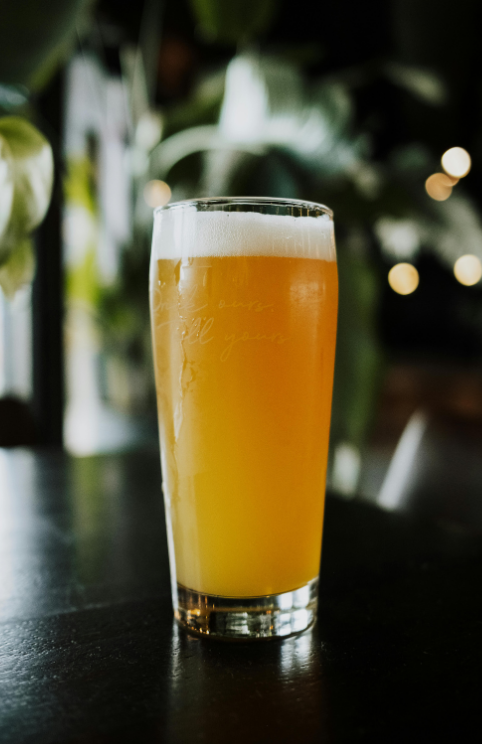
Haze in beer isn’t just a visual quirk — it’s a complex interplay of proteins, polyphenols, and hop compounds that can define a beer’s character. While yeast and malt proteins contribute to turbidity, hops play a starring role, especially in modern hazy styles like NEIPAs.
The haze effect intensifies when hops are added late in the brewing process. Whirlpool additions and dry hopping introduce high levels of polyphenols and hop oils without the isomerization that occurs during the boil. These compounds bind with proteins from malt and yeast, forming colloidal suspensions that scatter light — hence the haze.
Dry hopping, particularly during active fermentation, adds another layer. Biotransformation between hop compounds and yeast metabolites can enhance aroma and haze stability. Timing matters: early dry hopping may promote more interaction with yeast, while late additions preserve volatile aromatics but may reduce haze potential.
Not all hops are equal either. Varieties high in polyphenols — think Citra, Mosaic, or Galaxy — tend to produce more haze. Brewers chasing that juicy, opaque look often lean into these hops and carefully time their additions to maximize haze without compromising flavour.
In short, haze isn’t accidental. It’s chemistry, timing, and hop selection — brewed with intention.
To see Hazy being brewed, view here https://www.youtube.com/watch?v=9QUioALuD4Y&t=6s