

Undesirable by-products in beer brewing and fermentation, often termed “off-flavours” or “faults,” typically arise from yeast stress, bacterial contamination, or improper process control.
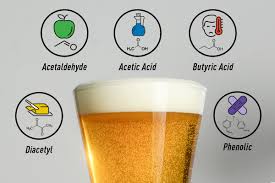
Off Flavours
Organic Acids
Acetic acid – vinegar aroma and assertive sourness in the finished beer
Butyric acid – rancid butter or baby-vomit character, extremely off-putting at low levels
Lactic acid – sharp sourness, typically from lactic-acid bacteria contamination
Succinic acid – dry, mildly sour/bitter edge at elevated concentrations
Propionic acid – cheesy or sour notes, often bacterial in origin

Vicinal Diketones (VDKs)
Diacetyl ( 2,3-butanedione) – buttery, butterscotch, or melted-butter aroma
2,3-Pentanedione – honey like sweetness that can become cloying when excessive

Aldehydes
Acetaldehyde – green apple, unripe fruit, or paint like aroma
Trans-2-Nonenal – stale, cardboard or papery character that develops over time
Sulphur Compounds
Dimethyl sulphide (DMS) – canned corn or cooked vegetable scent, driven off by vigorous boil
Hydrogen sulphide (H2S) – rotten egg smell, often early in fermentation
Mercaptans – skunky, rubbery or garlic like notes from yeast stress or bacterial activity
Higher Alcohols (Fusel Alcohols)
Isoamyl alcohol, isobutanol, propanol – solvent like heat or ‘hot alcohol’ bite when overproduced
Esters
Ethyl acetate – nail polish or solvent aroma at high levels
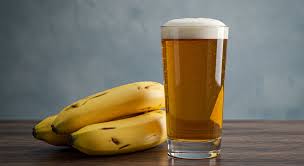
Isoamyl acetate – banana character that becomes artificial or overwhelming if over formed
Phenolic Off-Flavours
4-Vinyl guaiacol – clove or smoky clove note, desirable in some styles (eg:Hefeweizen) but off putting elsewhere, Arses from phenolic yeast strains or wild Brettanomyces
Prevention and Remediation Strategies
Sanitation and yeast health – rigorous cleaning, healthy pitch rate, proper oxygenation to minimizeH2S and acetaldehyde build up
Fermentation control – maintain recommended temperature profiles
Boil management – vigorous, uncovered boil to drive off dimethyl sulphide precursors
Yeast selection and handling – choose strains suited to your style, avoid excessive stress that drive fusel alcohols and sulphur compounds
Conditioning and packaging – cold conditioning for longer to allow yeast to mop up aldehydes and vicinal diketones, minimize oxygen pick up when transferring and bottling