
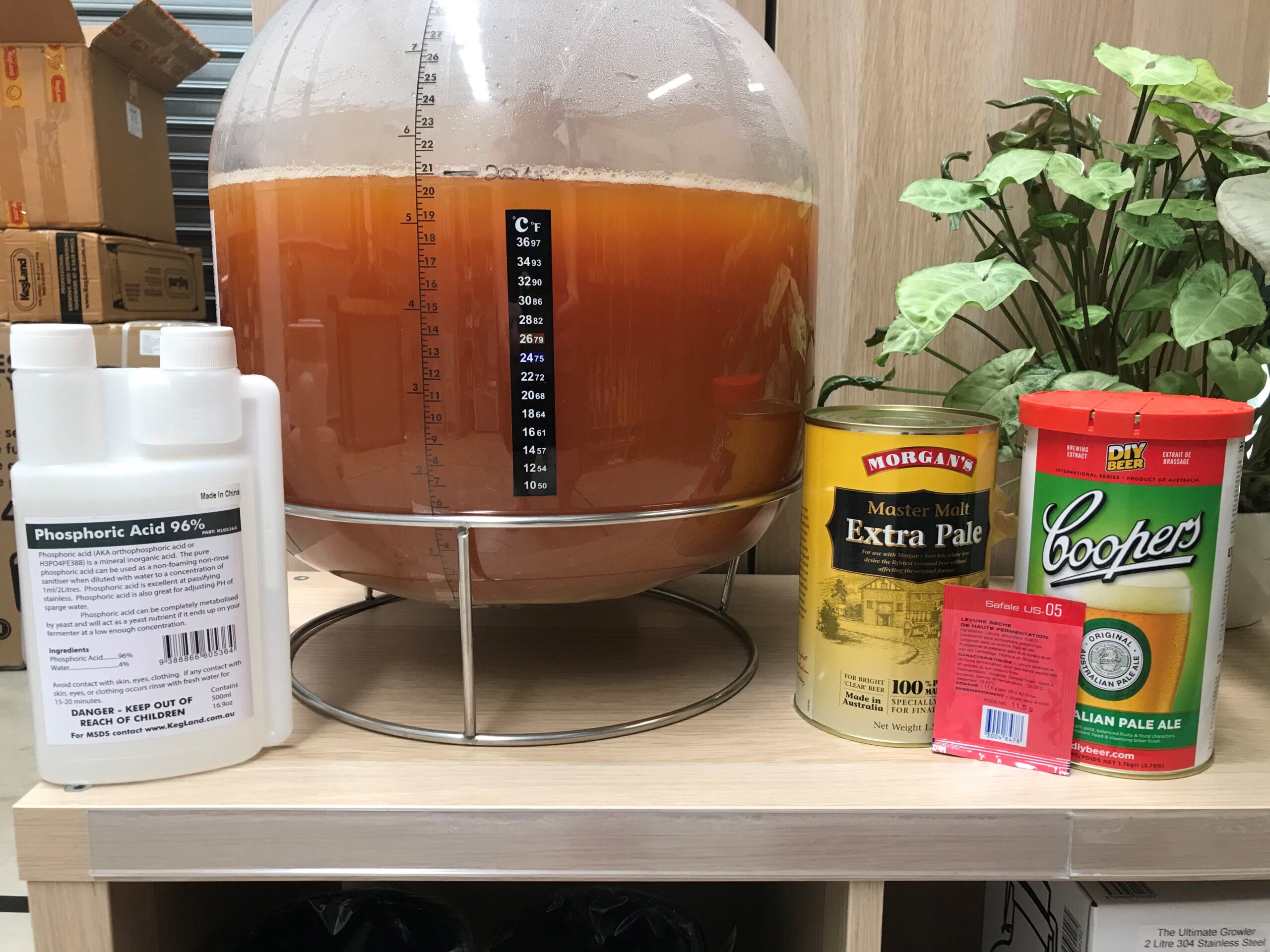
Pressure fermenting beer is a technique that’s increasingly popular with homebrewers and craft brewers.
What Is Pressure Fermentation?
Pressure fermentation is the process of fermenting beer in a sealed, pressure-rated vessel (usually a fermenter that can withstand 15 PSI or more) to trap carbon dioxide (CO₂) produced by the yeast. This trapped CO₂ creates pressure inside the vessel, which influences yeast behaviour and carbonation.
Benefits of Pressure Fermentation
Faster Fermentation, with the ability to brew at higher temperatures
Oxygen-Free Transfers
Pressure fermenters can push beer directly into kegs using CO₂ pressure, avoiding oxidation
Key Pressure Fermentation Gear
| Item | Purpose |
| Spunding Valve | Regulates fermentation pressure. |
| Pressure-Rated Fermenter | Holds the PSI needed for pressure fermentation. |
| CO₂ Tank + Regulator | For closed transfers and pressure top-ups. |
| Quick Disconnects (QD) | For easy transfer and cleaning |
A Spunding Valve is a specialised valve that allows you to precisely regulate the amount of pressure in the fermenter (or keg for that matter). It is very important to note that although almost every pressure capable brewing tank will have a PRV (Pressure Relief Valve) it is quite important that this is used purely as the last line of defence and not as a means of regulating pressure
Have a look at the 30L All Rounder Fermzilla Pressure Kit – it contains everything you need bar the lines for transfer to a keg.
You can check out the CO2 tanks and regulators at https://craftedtaste.com.au/?s=gas&post_type=product
MFL Ball Lock Disconnect (Gas) are available at https://craftedtaste.com.au/product/grey-mfl-ball-lock-disconnect-gas/
Brew Day with Shari using the FermZilla without the spunding valve, click here
Like many home brew tips and techniques, it can seem a bit daunting at first, but I promise you that once you get started you will never go back. Happy Brewing 🙂